
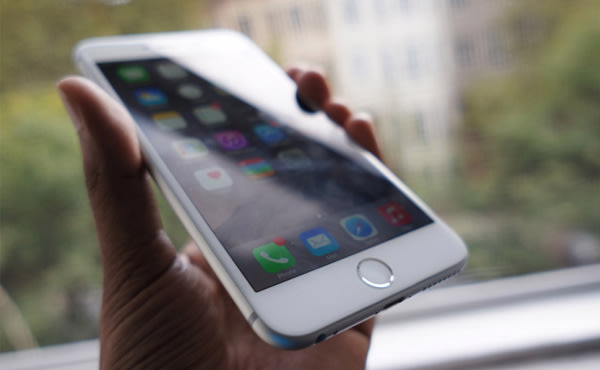
近日在 Apple 官方支援討論區開始有個問題越來越受到關注: 多個用戶發現他們的 iPhone 6 Plus 會在沒有使用時自己當機,甚至不停發生,就像一個「當機循環」。情況基本上就像「變磚」,令 iPhone 難以再正常使用。
現在暫時未能夠找出當機循環的確實原因,但是絕大部分遇到問題的都是 128GB 版本 iPhone 6 Plus,而且安裝了大量 apps (很多都超過 700 個)。
問題在 iOS 8.1 更新也未有修正。部分用戶回復 iPhone 後,再逐個 app 安裝,似乎能舒緩問題。但也有很多人嘗試各種方法都未能令問題消失。現在 Apple 未有回應這個問題,Apple Store 也似乎不願因為這個問題而換新機,用戶只能自己小心了。
source AppleSupport, Yahoo
NTU develops ultra-fast charging batteries that last 20 years
Published on: 13-Oct-2014
Recognised as the next big thing by co-inventor of today’s lithium-ion batteries
About Nanyang Technological University
http://media.ntu.edu.sg/NewsReleases/Pages/newsdetail.aspx?news=809fbb2f-95f0-4995-b5c0-10ae4c50c934

(Clockwise from top) NTU Assoc Prof Chen Xiaodong with research fellow Tang Yuxin and PhD student Deng Jiyang
Scientists at Nanyang Technology University (NTU) have developed ultra-fast charging batteries that can be recharged up to 70 per cent in only two minutes.
The new generation batteries also have a long lifespan of over 20 years, more than 10 times compared to existing lithium-ion batteries.
This breakthrough has a wide-ranging impact on all industries, especially for electric vehicles, where consumers are put off by the long recharge times and its limited battery life.
With this new technology by NTU, drivers of electric vehicles could save tens of thousands on battery replacement costs and can recharge their cars in just a matter of minutes.
Commonly used in mobile phones, tablets, and in electric vehicles, rechargeable lithium-ion batteries usually last about 500 recharge cycles. This is equivalent to two to three years of typical use, with each cycle taking about two hours for the battery to be fully charged.
In the new NTU-developed battery, the traditional graphite used for the anode (negative pole) in lithium-ion batteries is replaced with a new gel material made from titanium dioxide.
Titanium dioxide is an abundant, cheap and safe material found in soil. It is commonly used as a food additive or in sunscreen lotions to absorb harmful ultraviolet rays.
Naturally found in spherical shape, the NTU team has found a way to transform the titanium dioxide into tiny nanotubes, which is a thousand times thinner than the diameter of a human hair. This speeds up the chemical reactions taking place in the new battery, allowing for superfast charging.
Invented by Associate Professor Chen Xiaodong from NTU’s School of Materials Science and Engineering, the science behind the formation of the new titanium dioxide gel was published in the latest issue of Advanced Materials, a leading international scientific journal in materials science.
Prof Chen and his team will be applying for a Proof-of-Concept grant to build a large-scale battery prototype. With the help of NTUitive, a wholly-owned subsidiary of NTU set up to support NTU start-ups, the patented technology has already attracted interest from the industry.
The technology is currently being licensed by a company for eventual production. Prof Chen expects that the new generation of fast-charging batteries will hit the market in the next two years. It also has the potential to be a key solution in overcoming longstanding power issues related to electro-mobility.
“Electric cars will be able to increase their range dramatically, with just five minutes of charging, which is on par with the time needed to pump petrol for current cars,” added Prof Chen.
“Equally important, we can now drastically cut down the toxic waste generated by disposed batteries, since our batteries last ten times longer than the current generation of lithium-ion batteries.”
The 10,000-cycle life of the new battery also mean that drivers of electric vehicles would save on the cost of battery replacements, which could cost over US$5,000 each.
Easy to manufacture
According to Frost & Sullivan, a leading growth-consulting firm, the global market of rechargeable lithium-ion batteries is projected to be worth US$23.4 billion in 2016.
Lithium-ion batteries usually use additives to bind the electrodes to the anode, which affects the speed in which electrons and ions can transfer in and out of the batteries.
However, Prof Chen’s new cross-linked titanium dioxide nanotube-based electrodes eliminates the need for these additives and can pack more energy into the same amount of space.
Manufacturing this new nanotube gel is very easy. Titanium dioxide and sodium hydroxide are mixed together and stirred under a certain temperature so battery manufacturers will find it easy to integrate the new gel into their current production processes.
Recognised as the next big thing by co-inventor of today’s lithium-ion batteries
NTU professor Rachid Yazami, the co-inventor of the lithium-graphite anode 30 years ago that is used in today’s lithium-ion batteries, said Prof Chen’s invention is the next big leap in battery technology.
“While the cost of lithium-ion batteries has been significantly reduced and its performance improved since Sony commercialised it in 1991, the market is fast expanding towards new applications in electric mobility and energy storage,” said Prof Yazami, who is not involved in Prof Chen’s research project.
Last year, Prof Yazami was awarded the prestigious Draper Prize by The National Academy of Engineering for his ground-breaking work in developing the lithium-ion battery with three other scientists.
“However, there is still room for improvement and one such key area is the power density – how much power can be stored in a certain amount of space – which directly relates to the fast charge ability. Ideally, the charge time for batteries in electric vehicles should be less than 15 minutes, which Prof Chen’s nanostructured anode has proven to do so.”
Prof Yazami is now developing new types of batteries for electric vehicle applications at the Energy Research Institute at NTU (ERI@N).
Prof Yazami is now developing new types of batteries for electric vehicle applications at the Energy Research Institute at NTU (ERI@N).
This battery research project took the team of four scientists three years to complete. It is funded by the National Research Foundation (NRF), Prime Minister's Office, Singapore, under its Campus for Research Excellence and Technological Enterprise (CREATE) Programme of Nanomaterials for Energy and Water Management.
Media contact:
Lester Kok
Senior Assistant Manager
Corporate Communications Office
Nanyang Technological University
Tel: 6790 6804
Email: lesterkok@ntu.edu.sg
Senior Assistant Manager
Corporate Communications Office
Nanyang Technological University
Tel: 6790 6804
Email: lesterkok@ntu.edu.sg
About Nanyang Technological University
A research-intensive public university, Nanyang Technological University (NTU) has 33,500 undergraduate and postgraduate students in the colleges of Engineering, Business, Science and Humanities, Arts, & Social Sciences, It has a new medical school, the Lee Kong Chian School of Medicine, set up jointly with Imperial College London, and also an Interdisciplinary Graduate School.
NTU is home to world-class autonomous institutes – the National Institute of Education, S Rajaratnam School of International Studies, Earth Observatory of Singapore, and Singapore Centre on Environmental Life Sciences Engineering – and various leading research centres such as the Nanyang Environment & Water Research Institute (NEWRI), Energy Research Institute @ NTU (ERI@N) and the Institute on Asian Consumer Insight (ACI).
A fast-growing university with an international outlook, NTU is putting its global stamp on Five Peaks of Excellence: Sustainable Earth, Future Healthcare, New Media, New Silk Road, and Innovation Asia.
Besides the main Yunnan Garden campus, NTU also has a satellite campus in Singapore’s science and tech hub, one-north, and a third campus in Novena, Singapore’s medical district.
For more information, visit www.ntu.edu.sg
Source:

空白格
其實很簡單 其實很自然 兩個人的愛由兩人分擔
其實並不難 是你太悲觀 隔著一道牆不跟誰分享
不想讓 你為難 你不再需要給我個答案
我想你是愛我的 我猜你也捨不得
但是怎麼說 總覺得 我們之間留了太多空白格 也許你不是我的
愛你卻又該割捨 分開或許是選擇 但它也可能是我們的緣份
其實很簡單 其實很自然 兩個人的愛由兩人分擔
其實並不難 是你太悲觀 隔著一道牆不跟誰分享
更多更詳盡歌詞 在 ※ Mojim.com 魔鏡歌詞網
不想讓 你為難 你不再需要給我個答案
我想你是愛我的 我猜你也捨不得
但是怎麼說 總覺得 我們之間留了太多空白格 也許你不是我的
愛你卻又該割捨 分開或許是選擇 但它也可能是我們的緣份
我想你是愛我的 我猜你也捨不得
但是怎麼說 總覺得 我們之間留了太多空白格 也許你不是我的
愛你卻又該割捨 分開或許是選擇 但它也可能是我們的緣份
電影 一生一世 主題曲
作詞:陳詠謙
作曲:謝霆鋒
監製:王雙駿/謝霆鋒
愛情是甚麼 請你告訴我
到底愛情是浪漫還是折磨
兩個人的承諾 帶來了甚麼結果 會難過
可能世界真的轉得太快
讓人忘了甚麼是等待 和忍耐
可是當你對我有所懷疑
證明愛情唯一的方法
就是不要離開 讓我們走下去 讓我們走下去
從天堂到地獄 我也陪著你
就算早已知道不容易
為愛情走下去 為我們走下去
從鬧市到廢墟 我也抱著你
路再遙遠我也牽著你
起點在哪裡 終點在哪裡
該從哪個角度一生守護你
若你變得麻木 輕撫我們的距離 那痕跡
可能世界真的轉得太快
讓人忘了甚麼是等待 和忍耐
更多更詳盡歌詞 在 ※ Mojim.com 魔鏡歌詞網
可是當你對我有所懷疑
證明愛情唯一的方法 就是不要離開
讓我們走下去 讓我們走下去
從天堂到地獄 我也陪著你
就算早已知道不容易
為愛情走下去 為我們走下去
從鬧市到廢墟 我也抱著你
路再遙遠堅持到底
開始的時候 一點一點付出了
經營的時候 一點一點犧牲了
承受痛苦 對抗孤獨
是愛情必經的路 我很清楚
讓我們走下去 讓我們走下去
從天堂到地獄 我也陪著你
就算早已知道不容易
為愛情走下去 為我們走下去
從鬧市到廢墟 我也抱著你
路再遙遠我也牽著你
作詞:陳詠謙
作曲:謝霆鋒
監製:王雙駿/謝霆鋒
愛情是甚麼 請你告訴我
到底愛情是浪漫還是折磨
兩個人的承諾 帶來了甚麼結果 會難過
可能世界真的轉得太快
讓人忘了甚麼是等待 和忍耐
可是當你對我有所懷疑
證明愛情唯一的方法
就是不要離開 讓我們走下去 讓我們走下去
從天堂到地獄 我也陪著你
就算早已知道不容易
為愛情走下去 為我們走下去
從鬧市到廢墟 我也抱著你
路再遙遠我也牽著你
起點在哪裡 終點在哪裡
該從哪個角度一生守護你
若你變得麻木 輕撫我們的距離 那痕跡
可能世界真的轉得太快
讓人忘了甚麼是等待 和忍耐
更多更詳盡歌詞 在 ※ Mojim.com 魔鏡歌詞網
可是當你對我有所懷疑
證明愛情唯一的方法 就是不要離開
讓我們走下去 讓我們走下去
從天堂到地獄 我也陪著你
就算早已知道不容易
為愛情走下去 為我們走下去
從鬧市到廢墟 我也抱著你
路再遙遠堅持到底
開始的時候 一點一點付出了
經營的時候 一點一點犧牲了
承受痛苦 對抗孤獨
是愛情必經的路 我很清楚
讓我們走下去 讓我們走下去
從天堂到地獄 我也陪著你
就算早已知道不容易
為愛情走下去 為我們走下去
從鬧市到廢墟 我也抱著你
路再遙遠我也牽著你
港版iPhone6/6 Plus今起预订 5588港币起每人限购2部
今日,是第一批iPhone6和iPhone6 Plus预定的日子,想要第一时间入手iPhone6就需要去苹果官网上预订。而中国网友想要预订的话,最多人选择的方式就是去香港官网预订。据香港苹果官网显示,他们的预订服务将会在今天下午三点开始。准备预订的果粉准备好了吗?
 iPhone6和iPhone6 Plus两款新手机的价格也已经显示在官网当中。4.7英寸的iPhone6起售价为5588港币,对应的是16GB版本。64GB和128GB版本的价格分别是6388和7188港币,与去年的iPhone5s一样拥有银、金、灰三种配色。
至于5.5英寸的iPhone6 Plus,其起售价为6388港币,按照容量的增加还有7188和8088港币的版本。根据香港苹果官网显示,这一次的预订将限制在每名顾客两部。另外,官网还显示当地消费者可在9月16日上午8时通过苹果零售店进行预约,成功之后可于9月19日到店内提取。
目前香港一共有三家苹果零售店,分别位于希慎广场、又一城和国际金融中心商场。与往年的购买政策一样,今年同样是以预约取货的形式来迎接新一代iPhone的上市。想必未来iPhone6和iPhone6 Plus在中国大陆上市之后也会采用相同的营销政策。
目前iPhone6/iPhone6 Plus的第二批发售国家也已经出炉,令大陆果粉失望的是,此次的第二批发售国家仍然没有中国(详情)。看到,想要第一时间拥有iPhone6,即使有钱也难以购买到。
至于5.5英寸的iPhone6 Plus,其起售价为6388港币,按照容量的增加还有7188和8088港币的版本。根据香港苹果官网显示,这一次的预订将限制在每名顾客两部。另外,官网还显示当地消费者可在9月16日上午8时通过苹果零售店进行预约,成功之后可于9月19日到店内提取。
目前香港一共有三家苹果零售店,分别位于希慎广场、又一城和国际金融中心商场。与往年的购买政策一样,今年同样是以预约取货的形式来迎接新一代iPhone的上市。想必未来iPhone6和iPhone6 Plus在中国大陆上市之后也会采用相同的营销政策。
目前iPhone6/iPhone6 Plus的第二批发售国家也已经出炉,令大陆果粉失望的是,此次的第二批发售国家仍然没有中国(详情)。看到,想要第一时间拥有iPhone6,即使有钱也难以购买到。
iPhone 6 Timeline


運動神經元疾病(motor neuron diseases)是一群運動神經元漸進性退化而造成全身肌肉萎縮及無力的疾病,其中肌萎縮性脊髓側索硬化症(ALS)是成人最常見的運動神經元疾病。ALS在全世界的普及率約為5/100000左右,偶發性ALS患者的平均年齡多為55-75歲之間,而家族遺傳性ALS患者的發病年紀大多較早;男性罹病機率約為女性的1.5-2.5倍。臨床方面ALS會表現同側肢體的下運動神經元徵象(如無力、萎縮和肌束抽搐)及上運動神經元徵象(如肌腱反射上升、霍夫曼徵象(Hoffmann signs)、巴賓斯基反射(Babinski signs)或肌躍症),並可參考El Escorial診斷基準來區分診斷確信度。若佐以肌電圖,應可發現三個肢體以上的活動性去神經現象(active denervation)。偶發性ALS的病因仍不明確,重金屬中毒、病毒感染、腫瘤、自體免疫、輻射及雷擊都被懷疑是危險因子。大約有10%的病人為家族遺傳性ALS患者,其中超氧化歧化酶(superoxide dismutase, SOD)的基因突變或缺失,約占遺傳性ALS的15-20%。目前研究認為ALS致病機轉是多因素的(multifactorial),包括麩胺酸之興奮毒性(glutamate-induced excitotoxicity)、粒線體結構異常、鈉鉀離子幫浦功能不良、自體吞噬及軸突運輸系統中斷。在ALS治療及處置方面,美國神經醫學會建議使用Riluzole藥物治療,並考慮經皮內視鏡胃造口術(percutaneous endoscopic gastrostomy)導管以及導入早期非侵入性呼吸(non-invasive ventilation)以延長存活時間,亦可提升患者生活品質。隨著ALS的病理研究越來越多,許多標靶治療的藥物已進入臨床試驗,結果令人期待。
肌萎縮性脊髓側索硬化症(ALS, Amyotrophic lateral sclerosis),又稱盧•格裡克症(Lou Gehrig's disease),肌萎縮側索硬化症,俗稱為漸凍人症,是一個漸進和致命的神經退行性疾病。起因是中樞神經系統內控制骨骼肌的運動神經元(motor neuron)退化所致。ALS病人由於上、下運動神經元(upper/lower motor neurons)都退化和死亡並停止傳送訊息到肌肉,在不能運作的情況下,肌肉逐漸衰弱、萎縮。 最後,大腦完全喪失控制隨意運動的能力。這種疾病並不一定會如老人癡呆症般影響病人的心理運作。相反,那些患有晚期疾病的病人仍可保留發病前的記憶,同樣的人格和智力。
病因
除了少數遺傳性病人外(小於10%),大部份人得病的原因不明。[1]
美國西北大學研究團隊在2011年8月《自然》Nature發表一篇研究報告[2]指出病因可能出自Ubiquilin-2無法正常執行其功能引起運動神經元凋亡[3]。
一些科學研究 發現某些農藥和肌萎縮性側索硬化症的統計相關性。

What is amyotrophic lateral sclerosis?
Amyotrophic lateral sclerosis (ALS), sometimes called Lou Gehrig's disease, is a rapidly progressive, invariably fatal neurological disease that attacks the nerve cells (neurons)responsible for controlling voluntary muscles (muscle action we are able to control, such as those in the arms, legs, and face). The disease belongs to a group of disorders known as motor neuron diseases, which are characterized by the gradual degeneration and death of motor neurons.
Motor neurons are nerve cells located in the brain, brain stem, and spinal cord that serve as controlling units and vital communication links between the nervous system and the voluntary muscles of the body. Messages from motor neurons in the brain (called upper motor neurons) are transmitted to motor neurons in the spinal cord (called lower motor neurons) and from them to particular muscles. In ALS, both the upper motor neurons and the lower motor neurons degenerate or die, and stop sending messages to muscles. Unable to function, the muscles gradually weaken, waste away (atrophy), and have very fine twitches (called fasciculations). Eventually, the ability of the brain to start and control voluntary movement is lost.
ALS causes weakness with a wide range of disabilities (see section titled “What are the symptoms?”). Eventually, all muscles under voluntary control are affected, and individuals lose their strength and the ability to move their arms, legs, and body. When muscles in the diaphragm and chest wall fail, people lose the ability to breathe without ventilatory support. Most people with ALS die from respiratory failure, usually within 3 to 5 years from the onset of symptoms. However, about 10 percent of those with ALS survive for 10 or more years.
Although the disease usually does not impair a person’s mind or intelligence, several recent studies suggest that some persons with ALS may have depression or alterations in cognitive functions involving decision-making and memory.
ALS does not affect a person’s ability to see, smell, taste, hear, or recognize touch. Patients usually maintain control of eye muscles and bladder and bowel functions, although in the late stages of the disease most individuals will need help getting to and from the bathroom.